
11 Practical Ways to Reduce Allergy Triggers at Home
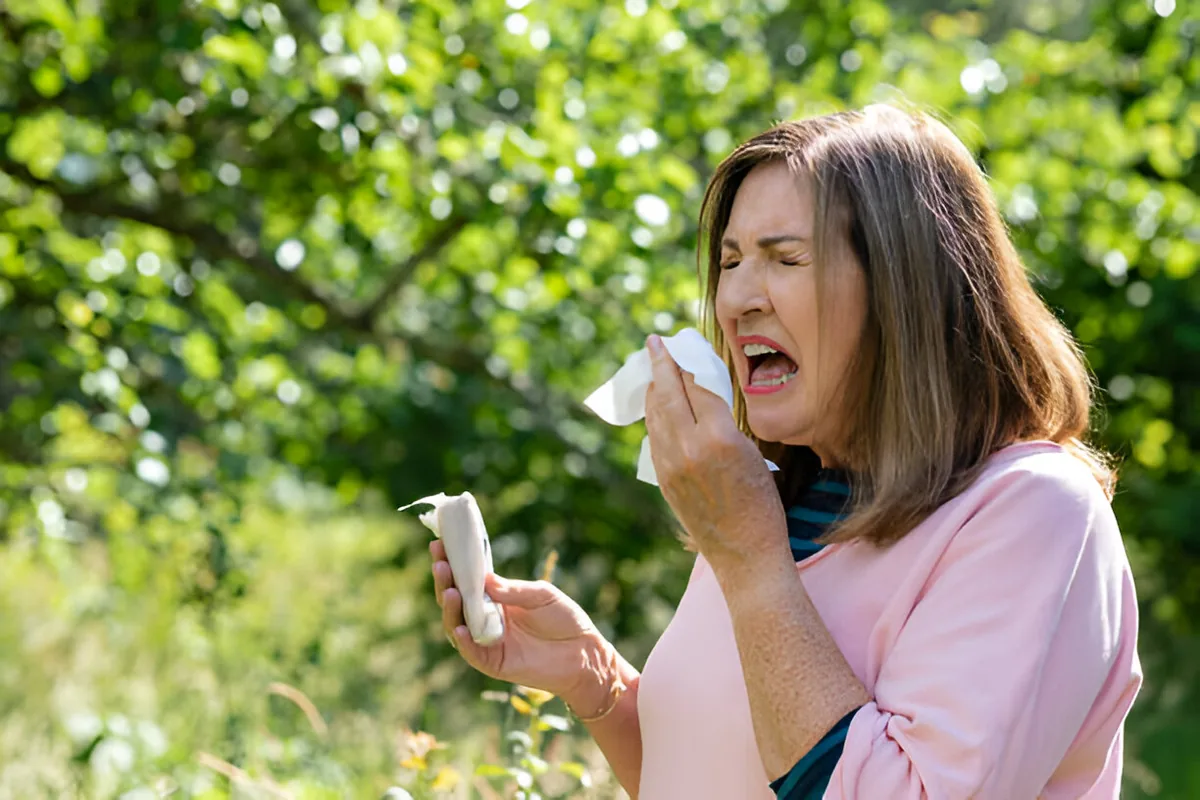
Quick answer: Allergy symptoms often improve when you identify a trigger, lower your exposure and choose treatment appropriate to your symptoms. You do not need to rely on unproven “immune boosters” or ingest castor oil to control allergies.
What causes common allergy symptoms?
Allergic rhinitis can cause sneezing, a runny or congested nose, and itchy, watery eyes. Common triggers include pollen, dust mites, pet allergens and mold. Because symptoms overlap with colds and irritant exposure, persistent problems deserve a clinician's assessment.
11 realistic ways to manage household allergens
- Identify your pattern. Note whether symptoms occur outdoors, during cleaning, at bedtime or around animals.
- Reduce tracked-in pollen. Check local pollen levels and change clothes after extended time outdoors when counts are high.
- Wash bedding regularly. Clean sheets and pillowcases according to fabric instructions; consider allergen-proof pillow and mattress covers for dust-mite sensitivity.
- Address moisture promptly. Repair leaks, dry wet materials and keep indoor humidity controlled to discourage mold growth.
- Clean visible mold safely. Fix the water source first. Follow product instructions, ventilate the area and never mix bleach with ammonia or other cleaning agents.
- Use a suitable vacuum. A vacuum with effective filtration can help contain dust; a sensitive household member may prefer not to be present during cleaning.
- Consider floor coverings. Washable rugs and hard surfaces can be easier to clean than wall-to-wall carpeting in some homes.
- Choose filtration thoughtfully. A properly sized HEPA air cleaner may reduce airborne particles, but it does not replace ventilation or moisture control.
- Manage pet exposure. Keep pets out of the bedroom when pet allergens trigger symptoms, and wash fabrics they frequently use.
- Protect yourself during yard work. Limit high-pollen tasks or use appropriate protection; shower after returning indoors.
- Discuss effective treatment. Ask a health professional about nasal corticosteroids, antihistamines or allergy testing if symptoms persist.
Do vitamins or home remedies cure allergies?
No vitamin, herbal supplement or castor-oil drink has been established as a reliable cure for allergic rhinitis. Supplements can have side effects and drug interactions. Treatments should target the diagnosed condition rather than promise to “boost” immunity.
When should you get medical help?
Seek routine care for persistent congestion, disrupted sleep or recurring wheezing. Trouble breathing, swelling of the tongue or throat, or faintness after an exposure requires emergency medical attention.
Further reading: CDC: mold and health. This educational article is not a personalized diagnosis.
Medical information disclaimer: This article is educational and is not a substitute for diagnosis or individualized treatment.