
Toenail Fungus: Signs, Treatment Options and Prevention
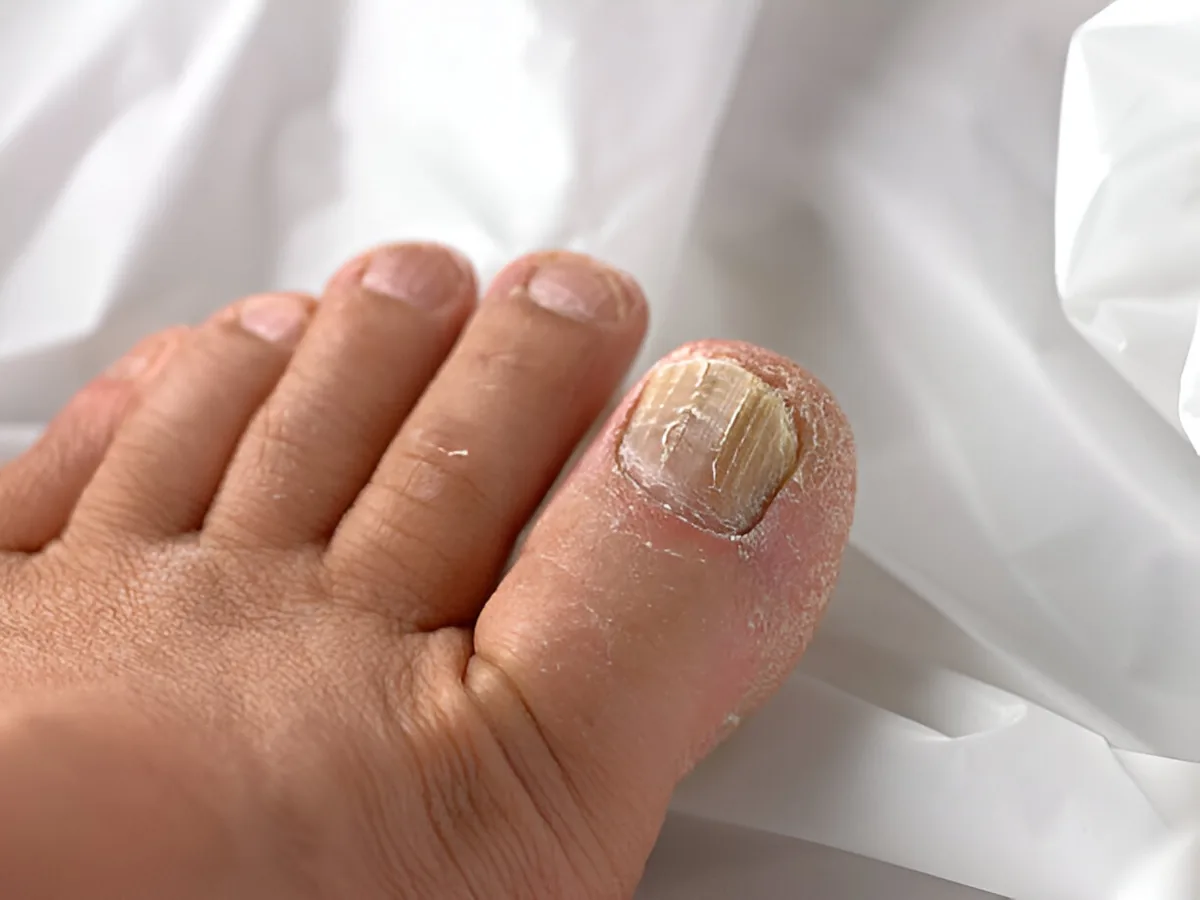
Quick answer: Toenail fungus (onychomycosis) can make a nail thick, discolored, brittle or crumbly. Effective treatment depends on confirming the diagnosis and matching therapy to the extent of infection; home remedies alone are not proven cures.
How can you recognize toenail fungus?
Affected nails may turn yellow, white or brown, develop crumbly edges or separate from the nail bed. Psoriasis, injury and other conditions can look similar. A dermatologist may examine a nail clipping or scraping before recommending treatment.
Which treatments are used?
- Prescription topical antifungals: Suitable for some mild cases, but may require daily treatment for many months.
- Oral antifungals: More extensive infections may need prescription tablets after a clinician reviews medication interactions and liver health.
- Nail thinning or trimming: Professional care can help thickened nails and may improve how topical treatments reach the affected area.
Even after the infection clears, healthy toenails grow slowly. An improved appearance may take many months.
Do tea tree oil or other natural products work?
Small studies of some home remedies have not established them as reliable alternatives to standard antifungal treatment. Essential oils can irritate skin, and “natural” does not guarantee safe or effective.
How to lower the chance of another infection
- Dry feet, including between the toes, after bathing.
- Change damp socks and rotate breathable footwear.
- Wear protective footwear in shared wet areas.
- Keep nail tools clean and do not share them.
- Seek care for accompanying athlete's foot, which can be a source of reinfection.
When should you see a clinician?
Seek advice early if you have diabetes, poor circulation, pain, spreading redness or several affected nails. Avoid self-treating a new nail change when its cause is unclear.
Source: American Academy of Dermatology: nail fungus diagnosis and treatment.
Medical information disclaimer: This article is educational and is not a substitute for diagnosis or individualized treatment.